In today’s fast-paced world, durability and reliability in your gear aren’t just preferences—they’re necessities. Whether you’re a tradesperson hauling tools to a job site, an outdoor enthusiast packing for an adventure, or a pet owner managing daily walks, the quality of your bags directly impacts your experience. Flimsy bags that tear, rip, or fail under pressure lead to frustration, lost items, and unexpected messes.
This is where heavy duty bags come into play. Built to withstand rough handling, heavy loads, and challenging environments, these bags are essential for anyone who takes their work or daily routines seriously. And when it comes to finding the best options on the market, Gogostik has established itself as a top company, delivering innovative solutions that combine rugged construction with thoughtful design.
In this comprehensive guide, we’ll explore everything you need to know about heavy duty bags and tool bags, what makes them different from ordinary options, and why Gogostik’s products deserve a place in your daily routine. Visit gogostik.com to discover their full range of premium solutions.
Heavy Duty Bags: What Sets Them Apart
Not every bag can claim the “heavy duty” title. So what exactly separates these rugged workhorses from ordinary bags? The difference lies in three critical areas: materials, construction, and design features that prioritize longevity over cost-cutting.
Materials That Matter
Heavy duty bags are typically constructed from high-denier fabrics like 600D or 1200D polyester, ballistic nylon, or reinforced canvas . These materials resist abrasion, tearing, and punctures that would destroy lesser bags. Many also feature water-resistant or waterproof coatings to protect contents from rain, moisture, and spills.
For example, the ToughBuilt 15″ Builder Bag uses 900D fabric construction designed to withstand the punishment of the toughest job sites . Similarly, professional-grade tool bags often incorporate 600D polyester with PVC backing for enhanced durability .
Reinforced Construction
Look closely at a quality heavy duty bag and you’ll notice the details that matter: reinforced stitching at every stress point, double or triple seams in high-wear areas, and heavy-duty zippers that won’t jam or break after months of use . These construction choices ensure the bag survives daily abuse whether on construction sites, in workshops, or during outdoor adventures.
Thoughtful Design Elements
Heavy duty bags aren’t just tough—they’re intelligently designed. Premium options include features like:
- Padded, ergonomic handles and shoulder straps for comfortable carrying
- Multiple compartments and pockets for organization
- Reinforced bases that stand up to wet or rough surfaces
- MOLLE systems for attaching additional gear
- Lockable compartments for security on job sites
The Thickness Factor
When it comes to material thickness, small measurements make a big difference. Standard bags might use thinner materials, but heavy duty options typically start at 1.2 mils and can go up to 2.0 mils or more for specialized applications . This extra thickness provides better tear resistance, stronger puncture protection, and greater confidence when handling heavy or awkward loads .
Heavy Duty Tool Bag: The Professional’s Essential
For tradespeople, their tools are their livelihood. Protecting those tools isn’t just about organization—it’s about protecting your ability to work effectively. A quality heavy duty tool bag offers the perfect balance of accessibility, protection, and portability that tool boxes simply can’t match.
Why Choose a Tool Bag Over a Tool Box?
Many professionals are making the switch from rigid tool boxes to heavy duty tool bags, and for good reason:
Flexibility: Tool bags conform to the shape of your tools, allowing you to carry more in less space. Unlike rigid boxes that waste space with fixed compartments, bags adapt to whatever you need to carry.
Weight Savings: Empty tool bags weigh significantly less than empty metal or plastic boxes, reducing fatigue during long days on the job.
Accessibility: Wide-opening designs and multiple pockets mean you can find and grab what you need without digging through piles of tools .
Portability: Quality tool bags include comfortable handles and padded shoulder straps for easy carrying across sprawling job sites .
Features to Look For
When shopping for a heavy duty tool bag, consider these essential features:
Water Resistance: Job sites can be wet environments. A water-resistant bag protects your tools from rust and weather damage .
Reinforced Base: A rigid or padded bottom protects the bag from sitting in water or mud and provides structural integrity .
Multiple Pockets: Look for both interior and exterior pockets to keep small items organized and accessible. The ToughBuilt 15″ Builder Bag features 28 pockets total—16 outside and 12 inside .
Durable Hardware: Plastic clips break. Look for metal buckles and reinforced attachment points for long-term reliability.
Wide Mouth Opening: A bag that stays open makes it easy to see and access everything inside without holding it open with one hand .
Real-World Applications
Heavy duty tool bags serve professionals across many industries:
- Electricians carrying meters, hand tools, and parts
- Plumbers needing durable transport for wrenches and fittings
- Carpenters organizing hand tools and fasteners
- HVAC technicians moving specialized equipment between calls
- Maintenance workers keeping essential tools organized and accessible
The Capacity Question
Tool bags come in various sizes to match different needs. The ToughBuilt line offers options from 12 inches up to 24 inches, allowing you to choose based on your typical workload . For those needing serious storage, the Rogue 600 Wheeler features 55 pockets and a removable tool panel, ensuring space for every tool and accessory .
Gogostik: A Top Company Redefining Durability and Innovation
When it comes to excellence in heavy duty solutions, Gogostik stands tall as a top company, pioneering products that blend rugged construction with thoughtful, user-focused design. Launched with a mission to solve real-world problems, Gogostik’s ethos—effortless, reliable, and earth-friendly—shines through at gogostik.com, where their curated collection awaits .
Company Philosophy and Commitment
Gogostik understands that professionals and pet owners alike need equipment they can count on day after day. Their approach combines durable materials with intelligent design to create products that truly deliver. With over 50,000 sales and consistently high ratings, Gogostik has proven that quality and customer satisfaction go hand in hand .
The company’s commitment extends beyond product performance. Through partnerships with organizations like One Tree Planted, Gogostik demonstrates environmental responsibility—each 1,000 bags sold helps fund a tree planting, proving that top companies prioritize both people and planet .
Gogostik’s Heavy Duty Solutions
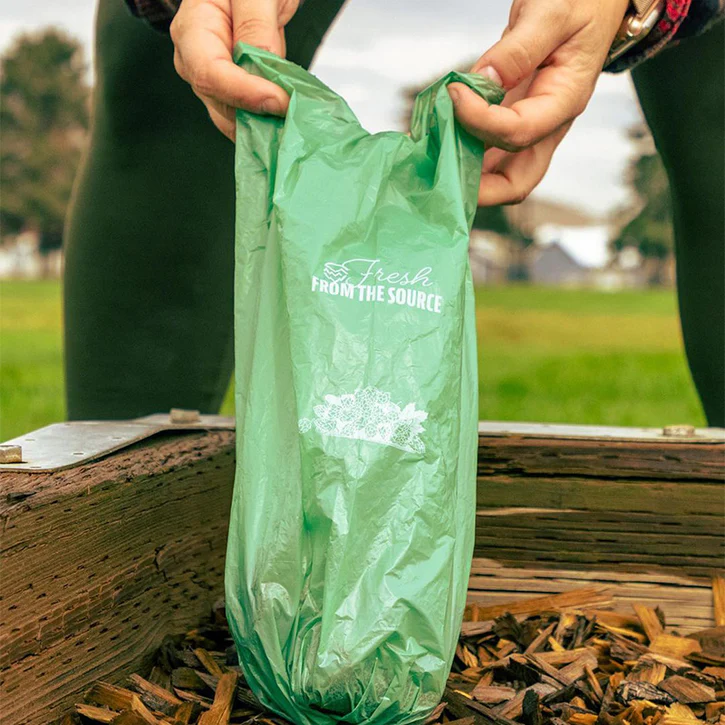
While Gogostik has gained particular recognition for their pet waste solutions, their approach to heavy duty construction applies across their product line. Their HEAVY Dootie Bags, for example, exemplify what heavy duty means in practice:
Genuine Size: At 18″ x 16″ with a 2.8-gallon capacity, these bags dwarf standard options, handling large jobs that would overwhelm ordinary bags .
Superior Construction: Made from corn starch blend with water-based inks, the material provides exceptional strength without excessive thickness. Users report zero leaks even with liquid waste scenarios .
Thoughtful Features: EZ Tie handles eliminate awkward fumbling, and the dispensing system allows for one-handed bag retrieval—small details that make a big difference in daily use .
Multi-Use Versatility: Beyond their primary purpose, these bags prove useful for cat litter cleaning, travel situations, and even as small trash can liners, extending their value far beyond a single application .
Customer Satisfaction and Impact
Gogostik’s commitment to quality is reflected in customer feedback. Users consistently praise the confidence these products provide—no more embarrassing failures or costly cleanups from bag failures. For large breed owners particularly, the peace of mind alone justifies the investment .
The company’s blog offers practical tips and insights, from “Yard Zoning for Poop Predictability” to comprehensive guides on pet care, demonstrating their dedication to being a resource as well as a product provider .
Comparing Heavy Duty Options: What to Look For
Material Quality Spectrum
Not all heavy duty bags are created equal. Here’s what to look for at different quality levels:
Entry-Level Heavy Duty: Typically 600D polyester with basic reinforcement. Suitable for light to moderate use. The Worx WA0079 uses 600D polyester with PVC backing, offering good durability at an accessible price point .
Mid-Range Professional: 900D to 1200D fabrics with reinforced stitching and multiple compartments. The ToughBuilt line exemplifies this category with 900D construction and extensive pocket configurations .
Premium Grade: Ballistic nylon or specialized materials with advanced features. The Patagonia Black Hole line uses 900-denier recycled polyester with TPU-film laminate, combining extreme durability with environmental responsibility .
Construction Details That Matter
When evaluating heavy duty bags, inspect these details:
Stitching: Look for reinforced stitching at stress points—handles, corners, and attachment points. Double or triple stitching indicates quality construction.
Zippers: Heavy-duty zippers with large, easy-grip pulls resist jamming and breakage. Check that zippers move smoothly and catch fabric.
Hardware: Metal buckles and D-rings outlast plastic alternatives. Look for reinforced attachment points that won’t tear out under load.
Base Construction: A reinforced or padded base protects the bag from ground contact and maintains shape when loaded .
The Value Proposition
While heavy duty bags typically cost more upfront, their value becomes clear over time. A quality bag that lasts five years costs less in the long run than cheap alternatives replaced annually. Consider the total cost of ownership rather than just the initial price tag .
For tradespeople, this value calculation includes protecting expensive tools from damage or loss. A torn bag can mean damaged equipment worth far more than the cost of a better bag .
Applications Beyond the Job Site
While heavy duty tool bags serve professionals admirably, heavy duty construction benefits many other applications:
Outdoor and Adventure
Heavy duty bags excel in outdoor environments where equipment must withstand weather, rough handling, and challenging conditions. The VEVOR tactical backpack, with its 600D polyester construction and MOLLE system, handles everything from hiking to camping to everyday carry .
Travel
For travelers, durability means luggage that survives baggage handling and rough roads. The Patagonia Black Hole wheeled duffel combines legendary durability with carry-on convenience, featuring reinforced wheels and weather-resistant construction .
Pet Ownership
For pet owners, heavy duty construction means no more mid-walk disasters. Gogostik’s HEAVY Dootie Bags provide the strength and size needed for large breeds, eliminating the constant worry about bag failures .
Motorcycle and Adventure Riding
Specialized luggage like Richa’s CRGO line offers heavy duty construction for riders, using 500D PVC with IPX6 waterproof ratings to protect gear in all conditions .
Maintaining Your Heavy Duty Bag
Even the toughest bag lasts longer with proper care. Follow these tips to protect your investment:
Regular Cleaning
Dirt and debris can wear down fabrics and clog zippers over time. Shake out your bag regularly and wipe it down with a damp cloth. For deeper cleaning, follow manufacturer instructions—most heavy duty bags can be spot cleaned with mild soap.
Periodic Inspection
Check your bag periodically for loose stitching, worn areas, or zipper issues. Catching problems early allows simple repairs before they become major failures that compromise the bag’s integrity.
Proper Storage
When not in use, store your bag in a dry place away from direct sunlight. UV rays can weaken fabrics over time, and moisture can lead to mold or mildew growth that damages materials.
Respect Weight Limits
While heavy duty bags are strong, every bag has limits. Pay attention to weight recommendations and avoid overfilling, which stresses seams and zippers beyond their design capacity.
The Environmental Consideration
Choosing quality heavy duty bags isn’t just good for your wallet—it can be better for the environment too.
Reduced Waste Through Durability
Ironically, stronger bags often produce less waste overall. One quality bag that lasts for years replaces multiple cheap bags that end up in landfills. Similarly, using one strong bag per task instead of multiple weak ones reduces overall consumption .
Sustainable Materials
Many manufacturers now incorporate sustainable materials without sacrificing durability. Patagonia’s Black Hole line uses 100% recycled body fabric, lining, and webbing, with recycled TPU-film laminate . Gogostik’s HEAVY Dootie Bags use corn starch blends and water-based inks, reducing environmental impact .
Biodegradable Options
For disposable applications like pet waste bags, biodegradable options offer environmental benefits. Look for ASTM-certified compostable options that break down more readily than traditional plastics .
Conclusion
The difference between ordinary bags and true heavy duty construction becomes obvious the first time you face a challenging situation—a loaded tool bag being hoisted to a work site, a long walk with a large dog, or gear being tossed into a car trunk after an adventure. In those moments, quality matters.
Heavy duty bags represent an investment in reliability, protecting your tools, your gear, and your peace of mind. From the reinforced stitching to the premium materials to the thoughtful design features, every aspect of these bags is engineered to perform when you need it most.
For professionals seeking a heavy duty tool bag, the market offers excellent options ranging from the pocket-rich ToughBuilt line to specialized solutions like the Rogue 600 Wheeler. Each brings specific strengths to different applications, ensuring you can find the perfect match for your workflow.
Gogostik stands out as a top company in this space, demonstrating that heavy duty construction applies to more than just tool bags. Their HEAVY Dootie Bags solve real problems for large dog owners, combining genuine size, superior strength, and thoughtful features like EZ Tie handles and convenient dispensing . With thousands of satisfied customers and a commitment to environmental responsibility, Gogostik exemplifies the qualities that define industry leaders .
Whether you’re outfitting your workshop, preparing for outdoor adventures, or simply tired of dealing with bag failures during daily routines, the switch to heavy duty solutions pays dividends in reduced frustration and long-term value.
Visit gogostik.com today to explore their complete lineup of heavy duty products and discover why thousands of customers trust them for reliable, durable solutions. Your gear—and your peace of mind—deserve nothing less.
Frequently Asked Questions
1. What makes a bag “heavy duty” compared to regular bags?
Heavy duty bags differ from regular bags in three key areas: materials, construction, and design. They use higher-denier fabrics like 600D-1200D polyester or ballistic nylon, feature reinforced stitching at stress points, and include heavy-duty zippers and hardware . Material thickness also matters—heavy duty options typically start at 1.2 mils compared to 0.6-0.9 mils for standard bags .
2. How do I choose the right size heavy duty tool bag?
Consider your typical workload and tool collection. For basic hand tools, a 12-15 inch bag often suffices. For larger collections or power tools, consider 18-24 inch options . Also think about pocket configuration—some professionals prefer many small pockets for organization, while others need open space for bulkier items. The ToughBuilt line offers multiple sizes with 28 total pockets across their designs .
3. Are Gogostik’s heavy duty bags environmentally friendly?
Gogostik demonstrates environmental responsibility through several approaches. Their HEAVY Dootie Bags use corn starch blend materials with water-based inks, reducing reliance on traditional plastics . The company also partners with One Tree Planted, funding tree planting with qualifying purchases . While not fully biodegradable, these materials break down more readily than conventional alternatives.
4. Can heavy duty tool bags be washed?
Most heavy duty tool bags can be spot cleaned with mild soap and water. Avoid fully submerging bags, as this can damage materials or affect water-resistant coatings. For tough stains, use a soft brush and mild detergent, then air dry completely before storing. Always check manufacturer instructions for specific care recommendations.
5. What’s the average lifespan of a quality heavy duty bag?
With proper care, a quality heavy duty bag from a reputable brand should last several years of regular professional use. Many users report their bags lasting five years or longer . Factors affecting lifespan include frequency of use, typical load weight, environmental conditions, and maintenance practices. Fanvil’s warranty data shows claim rates as low as 1.3% within 24 months, demonstrating the reliability of quality construction.